Grief

Grief
Thegrieftable Grief is more than sadness, it’s emotional overload.
And most people were never taught how to hold it without losing themselves.
Grief brings a storm of feelings: love, anger, guilt, relief, longing, sometimes all at once.
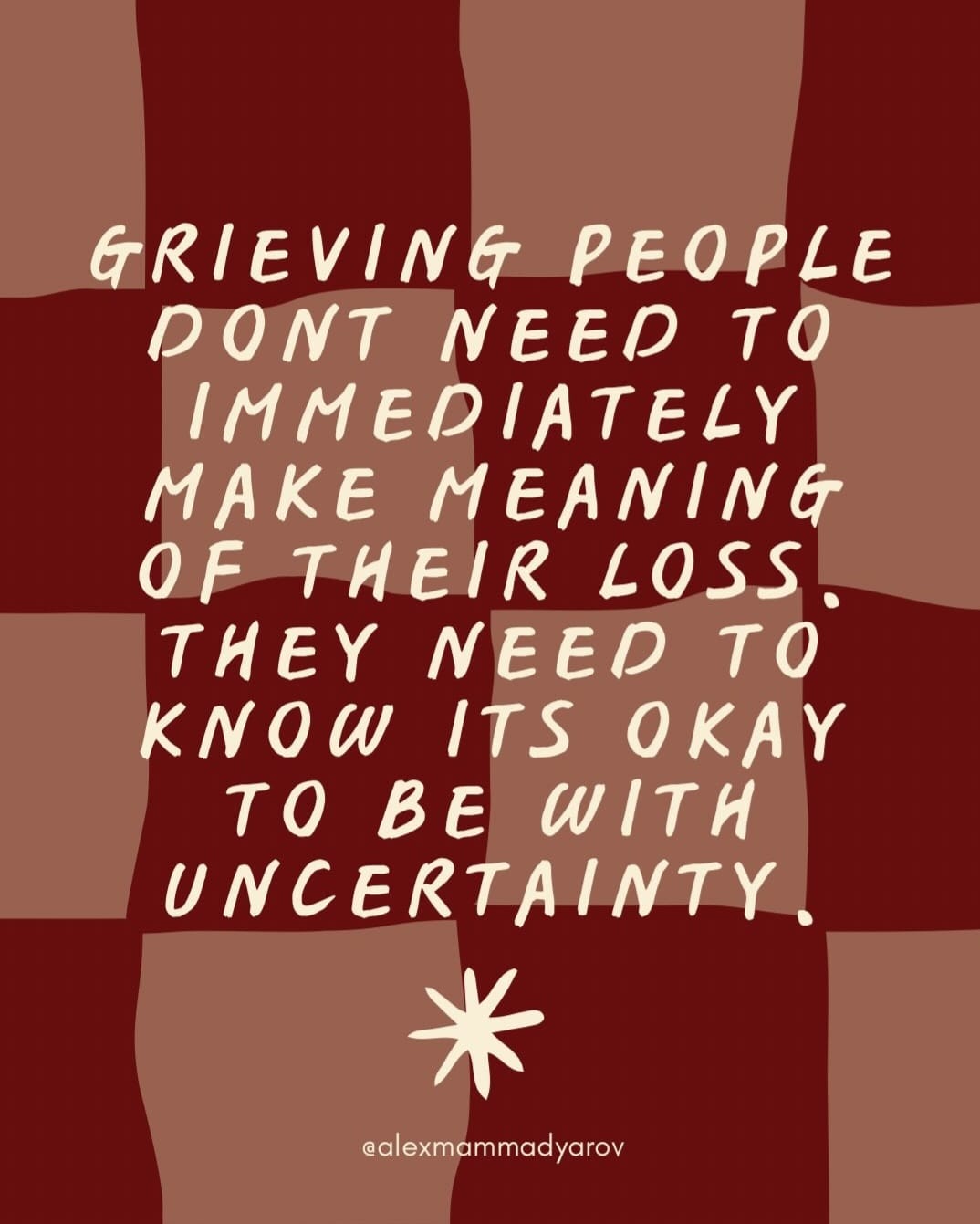
Emotional intelligence in grief isn’t about managing emotions away.
It’s about noticing them, naming them, and letting them exist without shame.
Naming what you feel doesn’t make grief disappear.
It keeps it from taking over.
Regulation isn’t forcing happiness.
Boundaries aren’t cold.
Awareness isn’t weakness.
If your emotions feel loud or unpredictable, you’re not failing grief.
You’re responding to loss with a human nervous system and a loving heart.
Save this for the days your feelings feel like too much.
Share it with someone who thinks grief should be simpler.
Thegrieftable Grief rearranges the walls of your soul.
What once made sense inside you may now feel unfamiliar even to the people who love you. Loss changes how the inner rooms are shaped, what hangs on the walls, and how much light gets in.
If others don’t know how to walk through this new space with you, it doesn’t mean you’re doing grief wrong. It means grief has changed you.
Here at The Grief Table, we honor grief and love in community without rushing, without minimizing, without asking you to be who you were before.
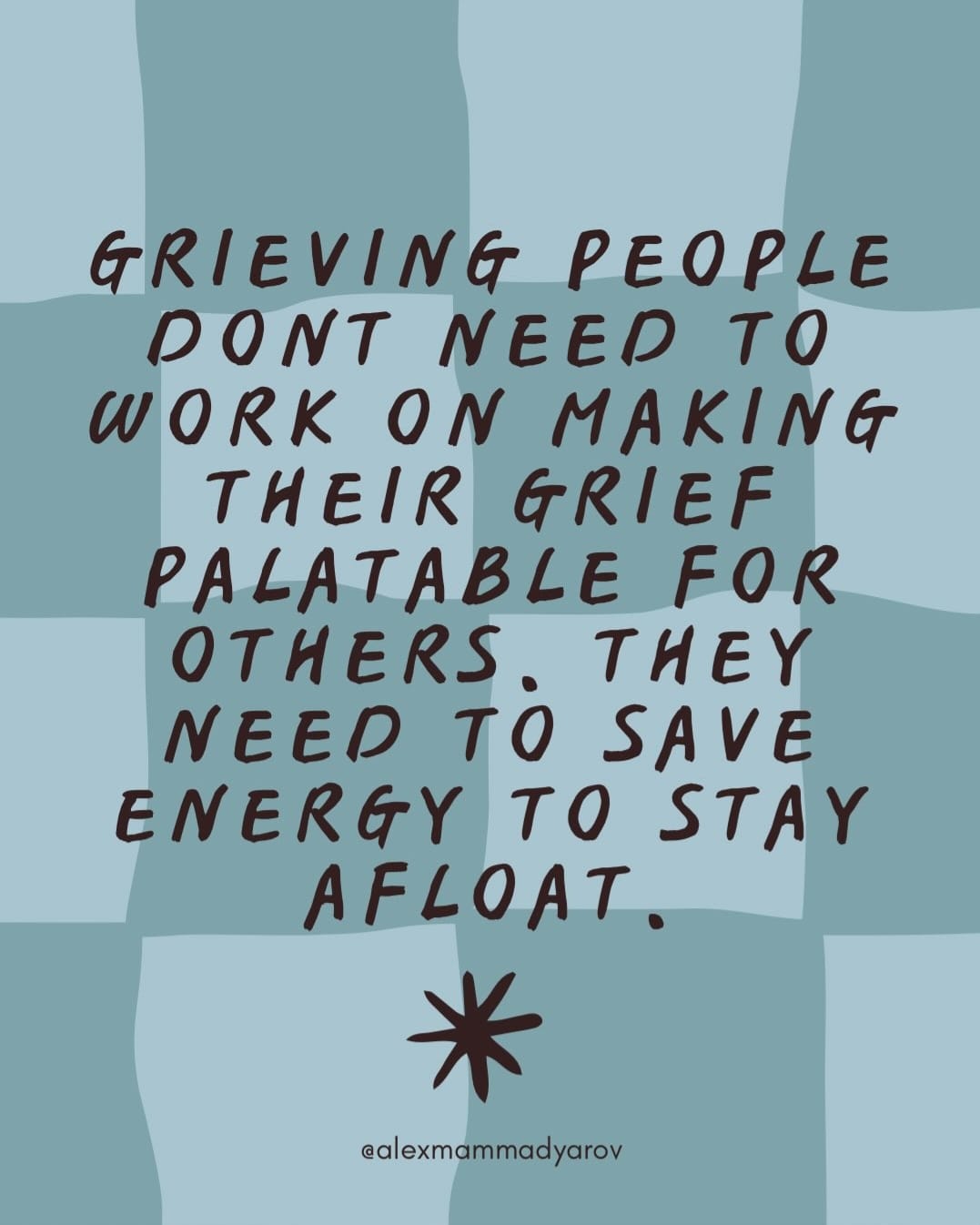
Wpsugrief Grief can leave the nervous system raw and depleted.
And when that happens, boundaries often need to change.
You might need more quiet. More space. More time between interactions. You may leave early, say no more often, or stop explaining yourself altogether.
That isn’t selfish.
It’s regulation.
Boundaries during grief aren’t about distancing from people. They’re about creating conditions where your body can feel safe enough to breathe, settle, and slowly recalibrate.
If you’re grieving, you don’t owe anyone access to you at the expense of your nervous system.
And if you’re supporting someone who is grieving, respecting new boundaries is one of the most meaningful ways to show care.
Agriefsupport It does not come and go. It does not take breaks. It sits beside me in the car, stands with me in line at the store, follows me into rooms that still expect you to be there.
This was not something I expected would still be so big after all this time. But your absence is still one of the most noticeable things about every moment. It is present. It is constant. It is loud even when nothing is being said.
People think absence is empty. It is not. It is heavy and dense, and very specific. It has weight. It has a shape. It shows up in moments that used to be ordinary and turns them into reminders. Your absence does not wait for anniversaries or holidays or special days when I think I am prepared for it. It walks with me through random Thursdays and moments that should be mundane.
This is what grief is. It is living alongside what should not be missing. It is learning how to function while something essential is gone. If this resonates with you, if you feel positively followed by the absence of someone you love, you are not failing at grief. You are living it. And you are not the only one walking this way.
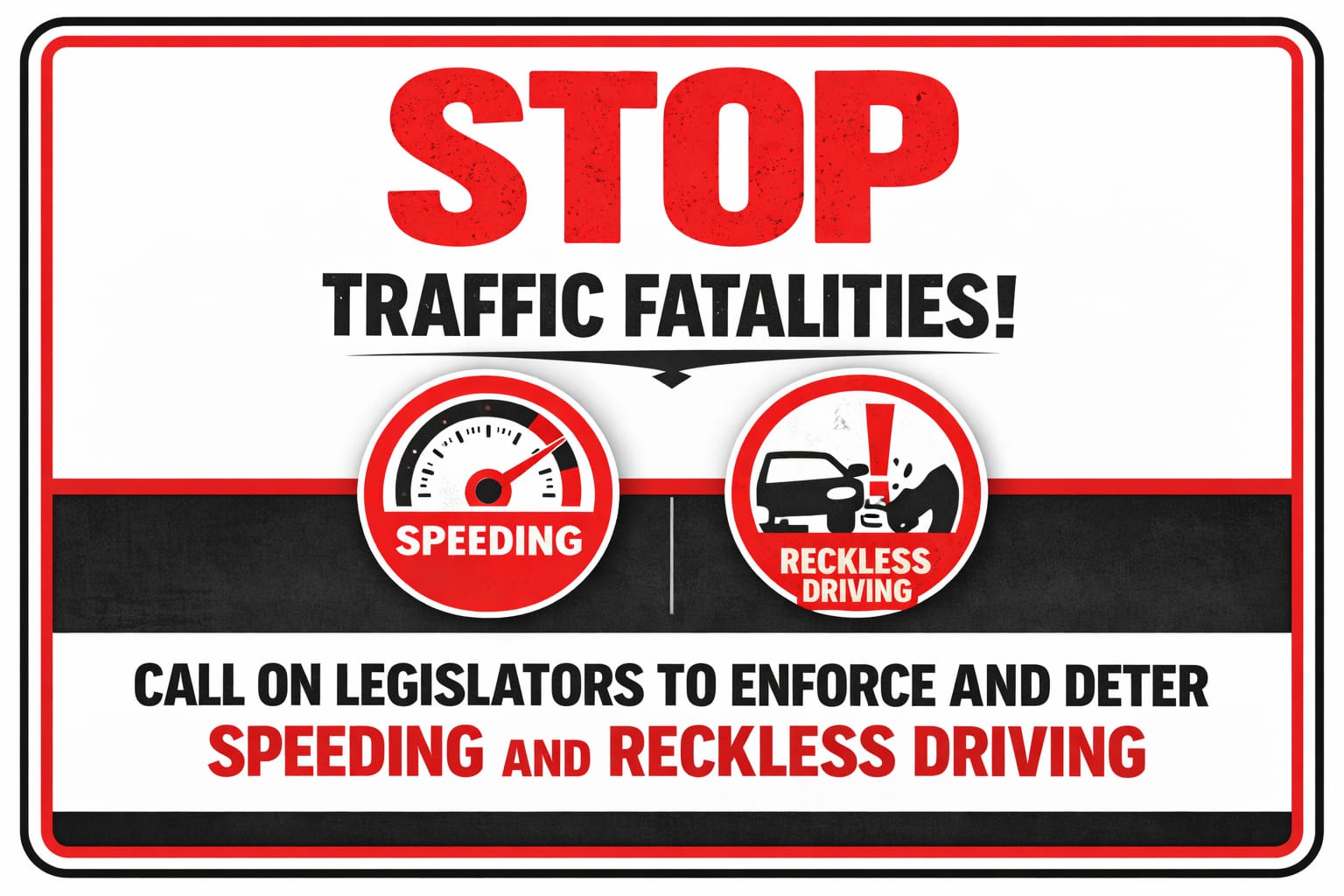
Grieving family members, particularly mothers, may experience complicated grief, including deep depression, survivor guilt, and a persistent inability to comprehend the senseless, preventable nature of the death.
- Violent Shock & Survivor Guilt: Because the death is sudden and unnatural, survivors often endure “What if” questions, haunted by the abruptness of the loss.
- Consuming Rage: The knowledge that the death was caused by someone’s intentional neglect or recklessness creates intense, lingering anger.
- Physical & Mental Health Crisis: Survivors face high risks of depression, anxiety, insomnia, PTSD, and physical illness.
- Daily Life Disruption: Victims often experience memory loss, inability to concentrate, and high-functioning impairment, making routine activities like driving terrifying.
- “Going Crazy” Fear: Grievers may feel they are losing their sanity due to intense traumatic, emotional, and cognitive pain.
- Long-Term Redefinition: The trauma often causes a total reevaluation of the world, leading to profound loneliness and difficulty trusting others.